Telegram
 Вконтакте
 Дзен
 Youtube
 Rutube
What is the lifting height of the overhead crane?
2026

One of the most popular types of lifting equipment is the overhead crane. These units boast increased lifting capacity and maximum stability thanks to their track-based design. Therefore, they are used in a variety of facilities, including manufacturing, mining, warehouse, transportation, and more.
However, it should be noted that it is not always possible to install this type of unit, despite all its advantages. The problem lies in the lifting height, which must be considered when selecting equipment for a specific site or workshop. Sometimes, the ceiling height of the facility does not allow for the full use of an overhead crane, or even the installation of supports for mounting this equipment. Therefore, lifting height is one of the criteria considered when purchasing lifting equipment.
CONDITIONS FOR DETERMINING LIFTING HEIGHT
So, the first condition has already been mentioned – the capabilities of the premises. In most cases, this is not a problem; virtually all factories are built with the understanding that the workshops will be used for transporting goods. Limitations may be related to the technical condition of the premises, in particular, the ability of the walls and floors to withstand the future load. However, in such conditions, it is better to avoid using heavy equipment at all (especially those that create vibration during operation). The optimal solution would be to build a new workshop or overhaul an existing one.
The second condition is safety. The lifting height of a load is inextricably linked to the lifting capacity. There are certain rules dictated by safety regulations. It is not recommended to lift the heaviest loads above a certain value due to the additional load this will create, and a break could create an emergency situation.
In general, the lifting height of an overhead crane can be determined as follows:
- For lifting capacities from 5 to 16 tons, a maximum height of 16 meters is permissible;
- For lifting capacities from 16 to 20 tons, the height can range from 8 to 12 meters, depending on the unit's specifications;
- For lifting capacities of 32 tons or more, the recommended height should not exceed 12 meters.
It is also important to consider the technical specifications of the equipment. There are standard versions of the unit, and there are models with a reinforced design. Such devices are initially designed for maximum loads. Design features should also be considered. For example, a double-girder model can handle the heaviest loads and lift them to great heights.
Technical characteristics that affect lifting height include:
- Engine power;
- Materials used for the hoisting mechanism cables;
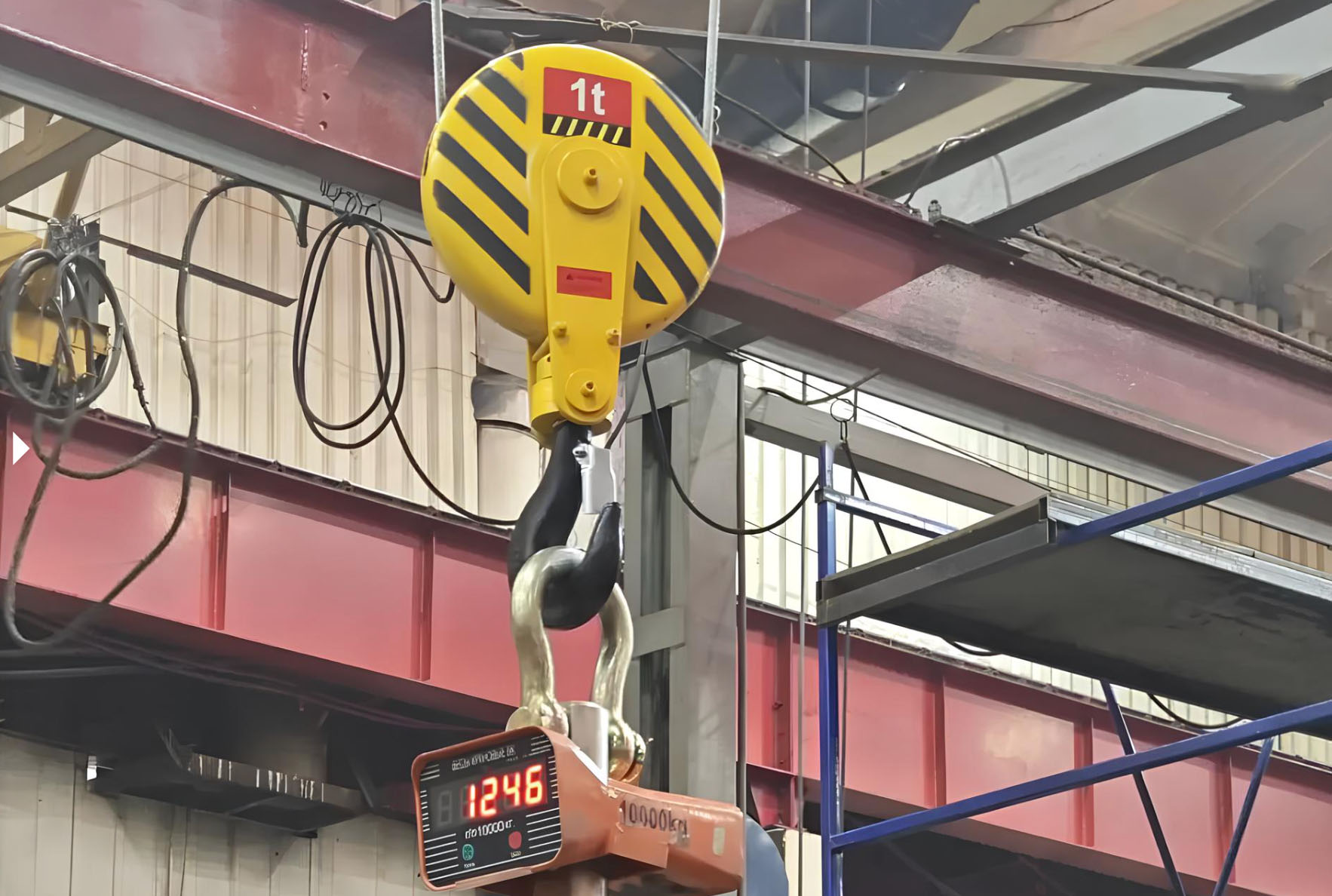
- Hook type (material and manufacturing technology) or other lifting devices;
- Lifting speed.
Is it possible to upgrade an existing overhead crane to increase its lifting height? Generally, no. This is due not only to safety concerns but also to the design of the unit itself. Increasing the height obviously requires replacing the cable with a longer one. The longer the cable, the more space it requires when winding onto the hoist drum. Consequently, the drum itself must be replaced, which is not always possible. Installing a new, larger-diameter drum will add additional weight to the entire unit. Again, for some reasons, this additional weight may be unacceptable.